.webp)
Breast aesthetics is a surgical procedure that is frequently preferred today for both aesthetic and functional reasons. It can be an important step for women to feel better about themselves, be at peace with their bodies and increase their self-confidence. However, one of the most curious questions about breast aesthetics, especially for women who are planning to become mothers or who are already mothers, is the following: Does milk come afterbreast aesthetics? In this article, we will discuss the effects of breast aesthetics on breastfeeding, how it can affect milk production and all the details you need to know about it.
What is Breast Aesthetics?
Breast aesthetics is the general name of surgical procedures performed to change the shape, size or appearance of breast tissue. These procedures can be performed for aesthetic concerns or health reasons. The most common types of breast aesthetics are as follows:
- Breast Augmentation: Increasing the volume of the breasts using silicone or saline implants.
- Breast Reduction: Reducing the size of the breasts by removing excess breast tissue.
- Breast Lift ( Mastopexy): Lifting sagging breasts and giving them a more youthful appearance.
- Reconstruction: Reconstruction of the breast after the loss of breast tissue due to reasons such as breast cancer.
Each treatment is tailored to the individual's specific needs and preferences. However, the effects of these procedures on breastfeeding may vary depending on the techniques used and the experience of the surgeon.
Purpose of Breast Aesthetics
Although breast aesthetics is usually performed to achieve an aesthetic appearance, in some cases it is also preferred to provide physical comfort. For example, excessively large breasts can cause problems such as lower back pain, shoulder discomfort and poor posture.
On the other hand, breast augmentation or lift procedures contribute to women's psychological well-being by improving their body image.
The Effect of Breast Aesthetics on Breast Milk: What to Know About the Lactation Process
Breastfeeding after breast aesthetics is an issue that many women are concerned about. Milk production is directly related to the condition of the milk ducts, nerves and breast tissue in the breasts. Therefore, the type of breast aesthetic procedure and how it is performed plays a decisive role in whether milk will come or not.
Breastfeeding According to the Type of Breast Aesthetics

The effects of different breast aesthetic procedures on breastfeeding can vary. Below, let us examine in detail the potential effects of each type of procedure on milk production:
Breast Augmentation and Breastfeeding
Breast augmentation surgeries are usually performed with silicone or saline implants. When the implants are placed without damaging the breast tissue and without interfering with the milk ducts, breastfeeding usually occurs without problems. Nevertheless, in some circumstances certain factors can affect milk formation:
- Incision Location: In breast augmentation surgery, the incision is usually made under the breast, in the armpit or around the nipple. Incisions made around the nipple (periareolar incision) can damage the milk ducts and nerves, which can affect milk production or milk flow.
- Surgeon's Experience: An experienced surgeon will be more careful about protecting the milk ducts and nerves.
Breast Reduction and Breastfeeding
Breast reduction surgery involves the removal of excess breast tissue and skin. During this operation, milk ducts and nerves can be divided or damaged, which can affect the ability to breastfeed. However, modern surgical techniques aim to reduce this risk by focusing on preserving the milk ducts. The ability to breastfeed after breast reduction surgery depends on many factors, from the surgical technique to the anatomical structure of the mother.
- Amount of Tissue Removed: Removing more tissue increases the likelihood of damage to the milk ducts and nerves.
- Surgical Technique: Some techniques are designed to protect the milk ducts and nipple attachment. For example, the “pedicle technique” can increase the chances of breastfeeding.
- Postoperative Recovery: The condition of the breast tissue during the healing process may affect milk production.
Breast Lift and Breastfeeding
Breast lift is a procedure performed to reshape breasts that have sagged over time and usually does not require the removal of breast tissue. Therefore, the effect of breast lift surgery on breastfeeding is usually limited. However, since the incisions made around the nipple may affect the milk ducts, the surgeon should be careful in this regard.
Breast Reconstruction and Breastfeeding
Breast reconstruction is usually performed to rebuild breast tissue after breast cancer. Since breast tissue may be completely or partially removed in this procedure, the ability to breastfeed may be largely lost. However, depending on the techniques used during reconstruction, some women may retain the ability to breastfeed, albeit limited.
Other Factors Affecting Milk Production
Milk production can be affected not only by breast plastic surgery but also by various other factors.
- Hormonal Balance: Milk production is controlled by the hormones prolactin and oxytocin. Breast aesthetics does not directly affect the production of these hormones, but nerve damage can make it difficult to secrete oxytocin.
- Baby's Sucking Strength: The correct sucking of the baby encourages milk production. If nipple sensitivity changes after breast surgery, this can make breastfeeding difficult.
- Psychological Factors: Stress, anxiety or lack of confidence in breastfeeding can negatively affect milk production.
Recommendations for Women Planning Breast Aesthetics
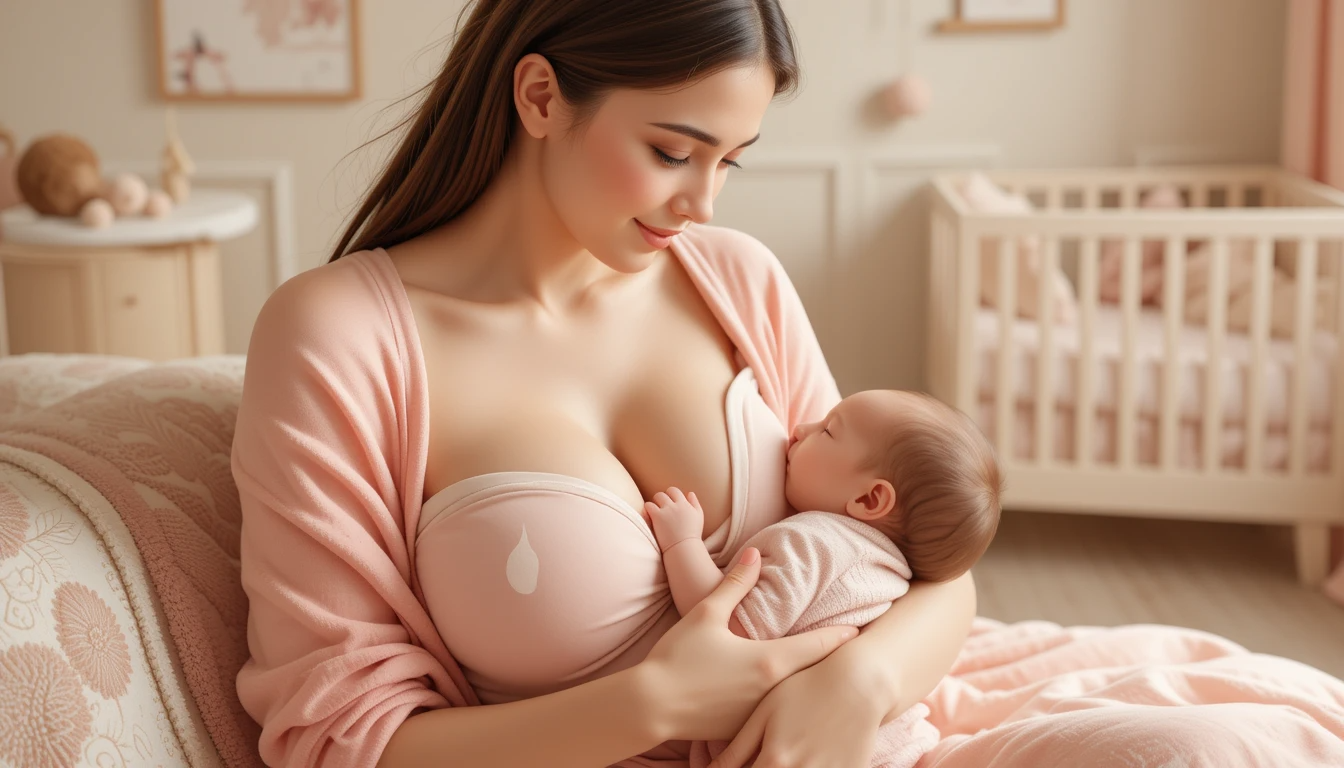
If you are considering breast aesthetics and plan to breastfeed in the future, it will be useful to pay attention to the following recommendations:
Surgeon Selection
Choosing an experienced plastic surgeon who specializes in breast aesthetics is critical to preserving your ability to breastfeed. Tell your surgeon clearly about your breastfeeding plans and ask him/her to use techniques that protect the milk ducts.
Timing of Surgery
It is important to choose the right timing for breast surgery. If you are planning a pregnancy in the near future, it may make sense to postpone the surgery. Pregnancy and breastfeeding can cause changes in the breast tissue and this can affect the results of the surgery.
Incision Location and Techniques
Discuss the incision site and the techniques to be used in detail with your surgeon.
Postoperative Recovery
Paying attention to the recovery process after surgery is important to maintain the health of the breast tissue. Follow your surgeon's instructions and contact them immediately in case of any complications.
Breastfeeding Experiences After Breast Aesthetics
Breastfeeding experiences after breast augmentation differ from person to person. Some women can breastfeed without any problems, while others may experience difficulties with milk production or flow. Here are some real-life examples:
- Successful Breastfeeding: A woman who underwent breast augmentation surgery had no problems with milk production and was able to breastfeed her baby comfortably, thanks to the placement of implants under the chest muscle.
- Partial Breastfeeding: Another woman who underwent breast reduction surgery experienced a decrease in milk production, but continued to breastfeed her baby with additional nutrients.
- Difficulty Breastfeeding: A woman who underwent an incision around the nipple had difficulty breastfeeding due to decreased nipple sensitivity and preferred to express milk using a pump.
These experiences reveal that the effects of breast aesthetic procedures on breastfeeding vary from person to person.
Frequently Asked Questions about Breastfeeding after Breast Aesthetics
Does Breast Aesthetics Completely Prevent Breastfeeding?
No, breast aesthetics does not completely prevent breastfeeding. However, the techniques used and incision sites may affect breastfeeding success. With the right surgical approach, many women can breastfeed after surgery.
Does the amount of milk decrease after breast aesthetics?
In some cases, the amount of milk may decrease, especially after procedures such as breast reduction. However, breast augmentation or breast lift surgeries usually do not affect the amount of milk.
Which incision site is safer for breastfeeding?
Under-breast or axillary incisions are safer for breastfeeding as they cause less damage to the milk ducts. Incisions around the nipple can be risky.
Aesthetic and Motherhood Journey with Conscious Decisions
Breast aesthetics is an important surgical procedure that helps women feel better both physically and psychologically. However, for women who plan to breastfeed, the effects of this procedure on milk production should be carefully evaluated. Whether milk will be produced after breast augmentation depends on the surgical techniques used, the incision site and the experience of the surgeon. If you are considering breast augmentation, you should clearly share your breastfeeding goals with your surgeon and get information about methods to protect the milk ducts.
Remember, every woman's body and experience is different. If you are concerned about breastfeeding after breast aesthetics, you can create a customized plan by meeting with a plastic surgeon and a lactation consultant. In this way, you can achieve your aesthetic goals and feel safe on your journey to becoming a mother.