.webp)
Nutrition after cosmetic surgery is a crucial factor that directly affects the recovery process and plays a key role in the success of the surgery results. Whether it's a cosmetic surgery or a general surgical procedure, one of the most important aspects that patients need to focus on during the postoperative period is their dietary habits. Many patients ask, "When can I eat whatever I want after cosmetic surgery?" The answer to this question depends on the type of surgery, the individual's overall health, and the instructions given by the doctor.
In this article, we will discuss the postoperative nutrition process and the key points to pay attention to, providing detailed information about when and how to return to a normal diet. Additionally, we will share examples from global celebrities, explaining how they managed their diet during the postoperative recovery process.
The Importance of Nutrition After Surgery
Postoperative nutrition is important for supporting the body's recovery process and minimizing the risk of complications. A suitable nutrition plan after surgery accelerates tissue healing, reduces the risk of infection, and helps the body regain energy. Depending on the type of surgery, there are different dietary recommendations and time frames:
-
Cosmetic Surgeries: Cosmetic surgeries include operations such as liposuction, rhinoplasty (nose job), breast surgeries, or tummy tucks. After such surgeries, a balanced and healthy diet should be followed to support the reshaping of the body and the healing of skin tissue.
-
General Surgical Operations: For general surgical procedures such as hernia surgery, gallbladder surgery, or bowel operations, the diet should be adjusted to support the recovery of the digestive system.
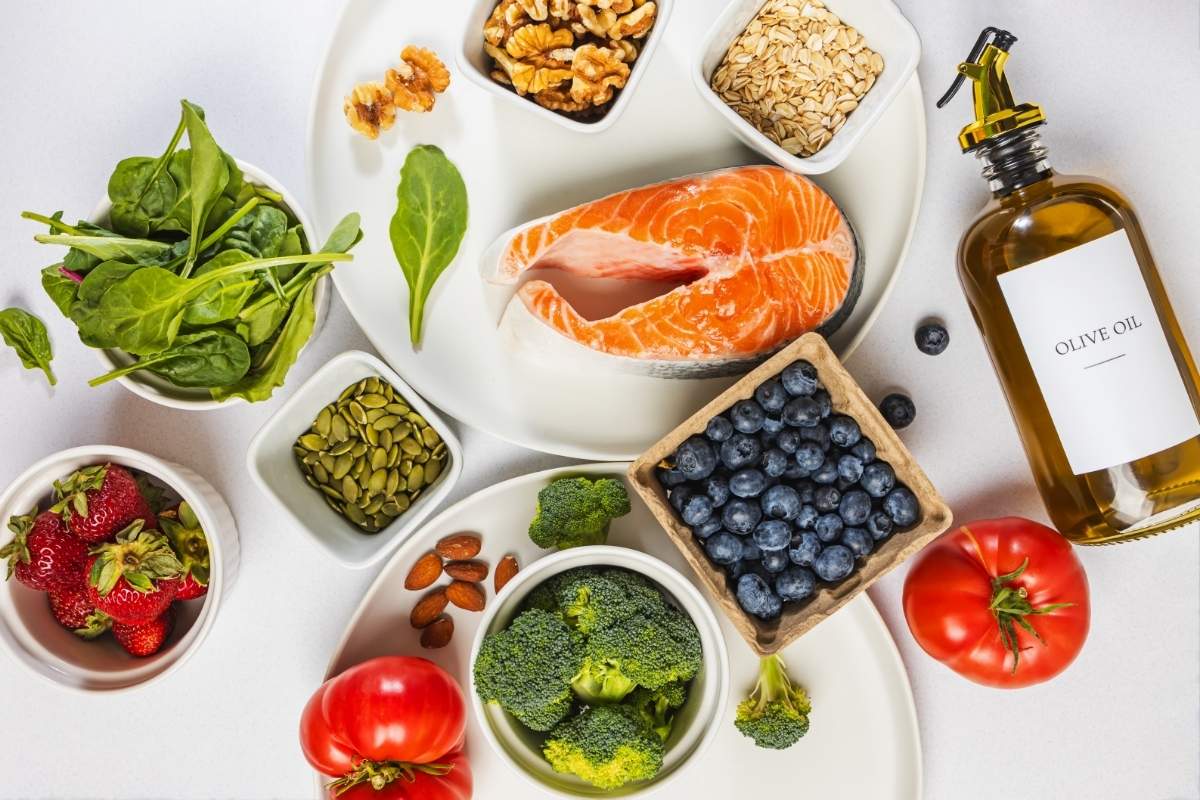
Postoperative Nutrition Stages
To return to normal eating habits after surgery, there are specific stages that help the body adapt to the healing process and prevent potential complications:
-
First 24 Hours: Liquid Phase
Immediately after surgery, as the body is still recovering from anesthesia, the digestive system may not function fully. During this period, only water, herbal teas, or electrolyte-containing liquids are recommended. Solid foods should be avoided due to the risk of nausea after anesthesia. -
2-3 Days: Light Foods and Soup Phase
After the first 24 hours, patients can gradually transition from liquid nutrition to light foods. Foods like chicken broth, pureed vegetables, or yogurt, which are easy to digest, are recommended. It is important to avoid straining the digestive system and to observe how well the body tolerates these foods. -
First Week: Transition to Soft Foods
During the first week after surgery, patients can transition to soft foods. Boiled vegetables, oatmeal, bananas, boiled chicken, and fish, which are rich in protein and easy to digest, should be preferred. It is recommended to avoid spicy, fatty, or acidic foods during this period. Especially after abdominal surgeries or cosmetic procedures, foods that can increase swelling and edema should be avoided. -
2-3 Weeks: Transition to Normal Diet
From the second week onwards, depending on the type of surgery and the doctor's recommendations, patients can begin to return to their normal dietary habits. However, caution should still be exercised, avoiding heavy, fatty, or processed foods that may strain the digestive system. A diet rich in protein, vitamins, and minerals should be maintained to support recovery. -
1 Month and Beyond: Period to Eat Desired Foods
If the recovery process has gone smoothly and your doctor has given approval, you can gradually start eating whatever you want within a month after surgery. However, even during this period, it is important to maintain healthy and balanced eating habits to support the body's healing process. Heavy and fatty foods should still be consumed with caution, and you should listen to your body's responses.
Postoperative Nutrition by Type of Surgery
The timeline for returning to normal eating habits varies depending on the type of surgery:
-
Tummy Tuck (Abdominoplasty): After a tummy tuck, the diet should be arranged in a way that does not strain the digestive system. During the first 2 weeks after surgery, consuming light foods and soup is important for reducing swelling and easing digestion. Transitioning to a normal diet usually begins after 3-4 weeks.
-
Liposuction: In the first week after liposuction, drinking plenty of water and following a low-sodium diet to reduce edema is beneficial. After the first week, patients can transition to light and soft foods. Returning to normal eating habits typically occurs within 2-3 weeks.
-
Breast Surgeries (Augmentation, Reduction, Lift): The recovery period for breast surgeries can be faster. After a few days of liquid nutrition, patients can transition to light foods, and within about a week, they can return to their normal eating habits.
-
Rhinoplasty (Nose Surgery): During the recovery process after rhinoplasty, liquid and soft foods are recommended for the first few days. Since chewing and mouth movements can affect the tissues around the nose, it is especially important to avoid solid foods. After about a week, patients can transition to soft solid foods.
Celebrities' Postoperative Nutrition Experiences
Celebrities also try to manage their recovery process in a healthy way by being careful about their diet after surgery. Here are some examples from global celebrities:
-
Kim Kardashian: Known to have undergone cosmetic surgeries such as tummy tucks and liposuction, Kim Kardashian followed a strict diet in the postoperative period. To reduce edema, Kardashian only consumed liquid and soft foods for the first 2 weeks and accelerated the healing process with a low-sodium diet recommended by her doctor. She returned to a normal diet after about a month.
-
Chrissy Teigen: Chrissy Teigen, who had breast surgery, emphasized the importance of healthy eating during the recovery process. After following a liquid diet for the first week, she consumed protein and vitamin-rich soft foods in the second week. Returning to her normal diet took about 3 weeks.
-
Jennifer Lopez: Having undergone various cosmetic procedures over the years to maintain her figure, Jennifer Lopez followed a strict diet during her postoperative recovery. She applied a liquid diet in the early days after surgery to avoid straining the digestive system and reduce the risk of edema. About 3 weeks later, she resumed her normal eating habits, continuing her protein-rich diet.
Tips and Considerations for Postoperative Nutrition
-
Follow Your Doctor's Recommendations: The most important point in the postoperative nutrition process is to carefully follow the instructions given by your doctor. Each surgery has a different recovery process, and your doctor will provide you with the most appropriate nutrition plan.
-
Drink Plenty of Water: Water consumption is very important during the postoperative period. Drinking plenty of water helps the body eliminate edema and accelerates tissue healing. Consuming only water and liquids for the first few days helps the body recover.
-
Eat Protein and Vitamin-Rich Foods: To speed up the recovery process after surgery, it is important to consume foods rich in protein (chicken, fish, eggs) and vegetables high in vitamins (spinach, broccoli, carrots). This supports tissue repair and helps the body regain energy.
-
Avoid Heavy and Fatty Foods: During the postoperative period, it is essential to stay away from heavy, fatty, and processed foods. Such foods can strain the digestive system, causing bloating and discomfort. Eating light and healthy foods supports the healing process.
Nutrition After Cosmetic Surgery
The timeline for returning to normal eating habits after cosmetic surgery depends on the type of surgery and your doctor's recommendations. Generally, patients can transition to soft foods within 2-3 weeks, while it may take about a month to fully return to a normal diet.
Each individual's recovery process is different, so following your surgeon's instructions and managing your nutrition carefully is the key to a healthy recovery. By adopting healthy and balanced eating habits during the postoperative period, you can make the most of the surgery results.