.webp)
When asked which area of the face draws attention first, most experts agree on one answer: the eye area. The eyes are not only organs of vision; they are powerful channels through which emotions, fatigue, life experiences, and even personality are expressed. Over time, changes in this delicate region can make a person appear more tired, sad, or older than they actually feel. This is precisely where periorbital (eye area) aesthetics becomes more than a cosmetic intervention—it evolves into a psychological and social transformation.
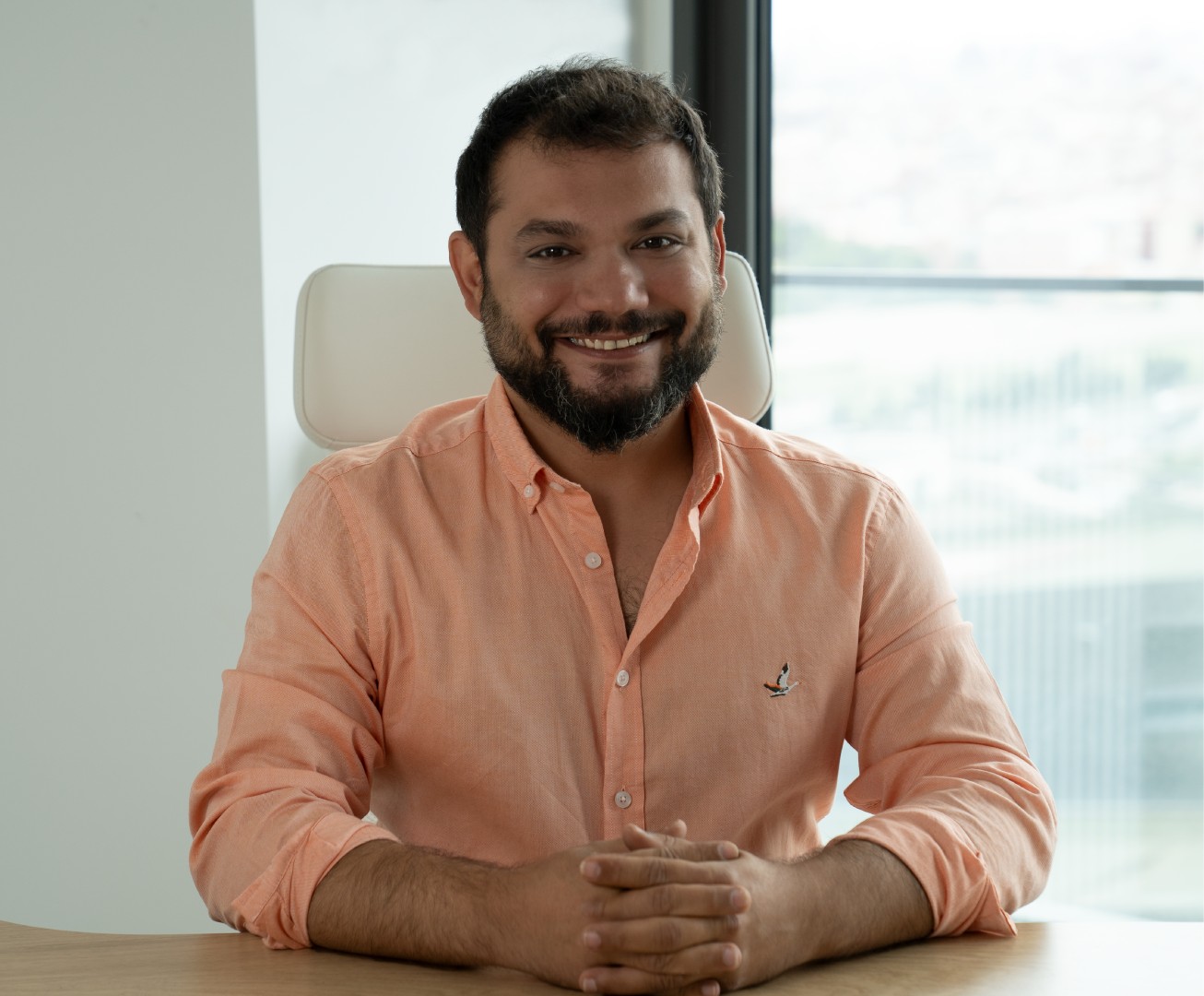
In this article, we will explore periorbital aesthetics in depth: who it is suitable for, which concerns it addresses, modern techniques, and what to expect during recovery. All topics are presented through the professional perspective and refined aesthetic philosophy of Op. Dr. Gökhan Semerci, a distinguished name in facial aesthetics known for natural, balanced results.
Why Does the Eye Area Age Faster?
The skin around the eyes is the thinnest and most sensitive on the face—up to 40% thinner than other areas of the body. This structural delicacy causes signs of aging to appear earlier and more prominently.
Over time:
-
Skin elasticity decreases
-
Collagen production declines
-
Fat pads shift or lose volume
-
Lymphatic drainage slows
When genetic predisposition, irregular sleep, prolonged screen exposure, stress, smoking, and environmental factors are added to the equation, under-eye bags, dark circles, wrinkles, and eyelid sagging become inevitable.
What Is Periorbital Aesthetics?
Periorbital aesthetics is a comprehensive aesthetic approach that evaluates the upper and lower eyelids, tear troughs, surrounding wrinkles, and skin quality as a whole. The goal is not merely to remove excess skin or fat, but to restore harmony and vitality to the face while preserving natural expression.
Modern periorbital aesthetics prioritizes:
-
A refreshed and alert appearance, not a frozen look
-
Undetectable aesthetic enhancement, not an “operated” look
-
Long-term planning that supports graceful aging, not just immediate results
What Concerns Does Periorbital Aesthetics Address?
Upper Eyelid Drooping
Excess skin accumulation in the upper eyelid can weigh down the gaze, creating a tired or even angry expression. In some cases, it may also impair the visual field, becoming a functional issue rather than purely aesthetic.
Under-Eye Bags
Often genetic or age-related, these occur when fat pads beneath the eyes protrude forward. They are one of the most common reasons patients appear constantly fatigued.
Under-Eye Hollows and Dark Circles
Volume loss and increased visibility of underlying blood vessels can lead to a hollowed, unhealthy appearance.
Crow’s Feet and Fine Wrinkles
Repetitive facial expressions and reduced skin elasticity cause wrinkles around the eyes to deepen over time.
The Periorbital Aesthetic Philosophy of Op. Dr. Gökhan Semerci
Op. Dr. Gökhan Semerci approaches periorbital aesthetics as a discipline of precision and facial artistry. According to his philosophy, successful outcomes require not only surgical skill but also the ability to interpret facial proportions accurately.
Key principles of his approach include:
-
Individualized planning rather than standardized procedures
-
Natural, subtle results harmonized with the entire face
-
Minimal incisions with maximum efficiency
-
Techniques that preserve facial expression over the long term
Upper Eyelid Surgery (Blepharoplasty)
Upper eyelid blepharoplasty is one of the most frequently performed procedures in periorbital aesthetics. Often carried out under local anesthesia, the surgery involves removing excess skin—and when necessary, muscle or fat tissue—in a balanced manner.
Post-procedure benefits include:
-
A more open and alert gaze
-
Brighter, more youthful eyes
-
A softer and more approachable facial expression
Recovery is generally swift, and scars are discreetly concealed within the natural eyelid crease.
Lower Eyelid Aesthetics: Redistributing Volume, Not Just Removing It
Modern lower eyelid surgery has evolved beyond simply removing under-eye bags. Today, fat repositioning techniques aim to redistribute existing fat to correct hollows and create a smooth transition between the lower eyelid and the cheek.
This approach:
-
Balances the contrast between hollows and bulges
-
Softens the lid–cheek junction
-
Reduces the risk of a hollowed or sunken appearance
Op. Dr. Gökhan Semerci favors conservative techniques that maintain facial integrity and natural anatomy.
How Effective Are Non-Surgical Eye Area Treatments?
Surgery is not always necessary. In early stages of aging, non-surgical options may offer effective rejuvenation, including:
-
Light-reflecting fillers
-
Mesotherapy
-
PRP (Platelet-Rich Plasma)
-
Botulinum toxin treatments
These methods can improve skin quality and freshness but do not provide permanent solutions for advanced sagging or prominent fat herniation. Choosing the right treatment requires a detailed clinical evaluation.
Who Is an Ideal Candidate for Periorbital Aesthetics?
-
Individuals who appear constantly tired or sleep-deprived
-
Those struggling with upper eyelid sagging that affects makeup application
-
Patients with genetically prominent under-eye bags
-
Individuals whose facial expression does not reflect their energy
-
Those seeking refinement without looking “done”
Recovery Process and Return to Daily Life
Contrary to common assumptions, recovery from periorbital aesthetic procedures is typically comfortable. Mild swelling and bruising may occur in the first few days. Generally:
-
Social activities can resume within 5–7 days
-
The refined appearance becomes evident within 2–3 weeks
-
Final skin adaptation continues over several months
Why Choosing the Right Surgeon Matters
The eye area is unforgiving—millimeter-level inaccuracies can dramatically alter facial expression. Therefore, the surgeon must combine:
-
Profound anatomical knowledge
-
Advanced aesthetic vision
-
Extensive experience
-
A commitment to natural results
Op. Dr. Gökhan Semerci is widely recognized for integrating these elements into every periorbital aesthetic plan.
Not Looking Younger—Looking Rested
The true objective of periorbital aesthetics is not to make someone look younger, but to restore the vitality and clarity that reflect how they feel inside. When performed with expertise and artistic sensitivity, these procedures do not change who you are—they reveal a more refreshed version of yourself.
If the tired expression you see in the mirror no longer matches your inner energy, periorbital aesthetics may offer a refined yet powerful solution.