.webp)
Rhinoplasty is a surgical procedure aimed at reshaping the nose for aesthetic or functional reasons. As the nose is the central and most prominent feature of the face, its appearance and function are of great importance. Rhinoplasty not only improves the appearance of the nose but can also resolve breathing issues. In this article, we provide a rhinoplasty-focused guide detailing nasal surgery, nasal aesthetics, and the rhinoplasty process.
What is Rhinoplasty?
Rhinoplasty is a surgical procedure performed to enhance both the cosmetic and functional aspects of the nose. This procedure may include reducing or enlarging the size of the nose, straightening the nasal bridge, reshaping the tip of the nose, and narrowing the nostrils. It can also correct issues like nasal deviations (deviation) or enlarged nasal turbinates (turbinate hypertrophy) that cause breathing difficulties.
Functional and Aesthetic Rhinoplasty
Rhinoplasty is categorized into two main types:
- Aesthetic Rhinoplasty: This procedure is done for cosmetic purposes to improve the appearance of the nose. The goal is to make the nose more harmonious with the rest of the face. Procedures such as reducing the size of the nose, lifting the nasal tip, or creating symmetry are often prioritized.
- Functional Rhinoplasty: Unlike aesthetic rhinoplasty, this type aims to address functional issues such as breathing difficulties. The source of these problems is often nasal deviation, enlarged nasal turbinates (turbinate hypertrophy), or deformities caused by trauma. Functional rhinoplasty is often performed together with nasal turbinate surgery.
What is Nasal Turbinate Surgery (Turbinate Hypertrophy)?
The nasal turbinates are tissues inside the nose that help moisten and clean the air. However, in some individuals, these turbinates may be larger than normal, leading to breathing problems. This condition is known as turbinate hypertrophy. Nasal turbinate surgery is typically performed to alleviate nasal congestion and improve breathing.
When combined with rhinoplasty, nasal turbinate surgery helps achieve better results both aesthetically and functionally. During cosmetic nasal surgery, turbinate hypertrophy can be corrected, resolving the patient’s breathing issues. This combination provides significant improvement in both the appearance and health of the patient.
How is Nasal Turbinate Surgery Performed?
Nasal turbinate surgery is usually performed through small incisions inside the nose. The surgeon reduces the size of the enlarged turbinates to open up the airways. Laser or radiofrequency technology may also be used during this procedure. After the surgery, the patient’s breathing capacity increases, and nasal congestion is alleviated. Nasal turbinate surgery is often combined with rhinoplasty, allowing both procedures to be performed in the same operation.
The Rhinoplasty Surgery Process
Rhinoplasty is typically performed under local or general anesthesia and may take between 1-3 hours. Before the surgery, the surgeon evaluates the patient’s expectations and nasal structure. The operation is planned with the harmony between the nose and facial features in mind.
Pre-Surgery Preparation
A detailed examination is conducted by the doctor before the rhinoplasty procedure. The shape of the nose, skin structure, and the patient’s overall health are assessed. The patient’s expectations after surgery are also taken into account. Some important points for patients to consider before the surgery include:
- Avoiding blood-thinning medications: Medications such as aspirin may increase bleeding before surgery. These types of medications should be discontinued at least one week prior to the operation.
- No smoking: Smoking negatively affects the healing process and increases the risk of infection.
- Healthy nutrition: Following a balanced diet before surgery contributes to the post-surgery recovery process.
What Happens During Rhinoplasty?
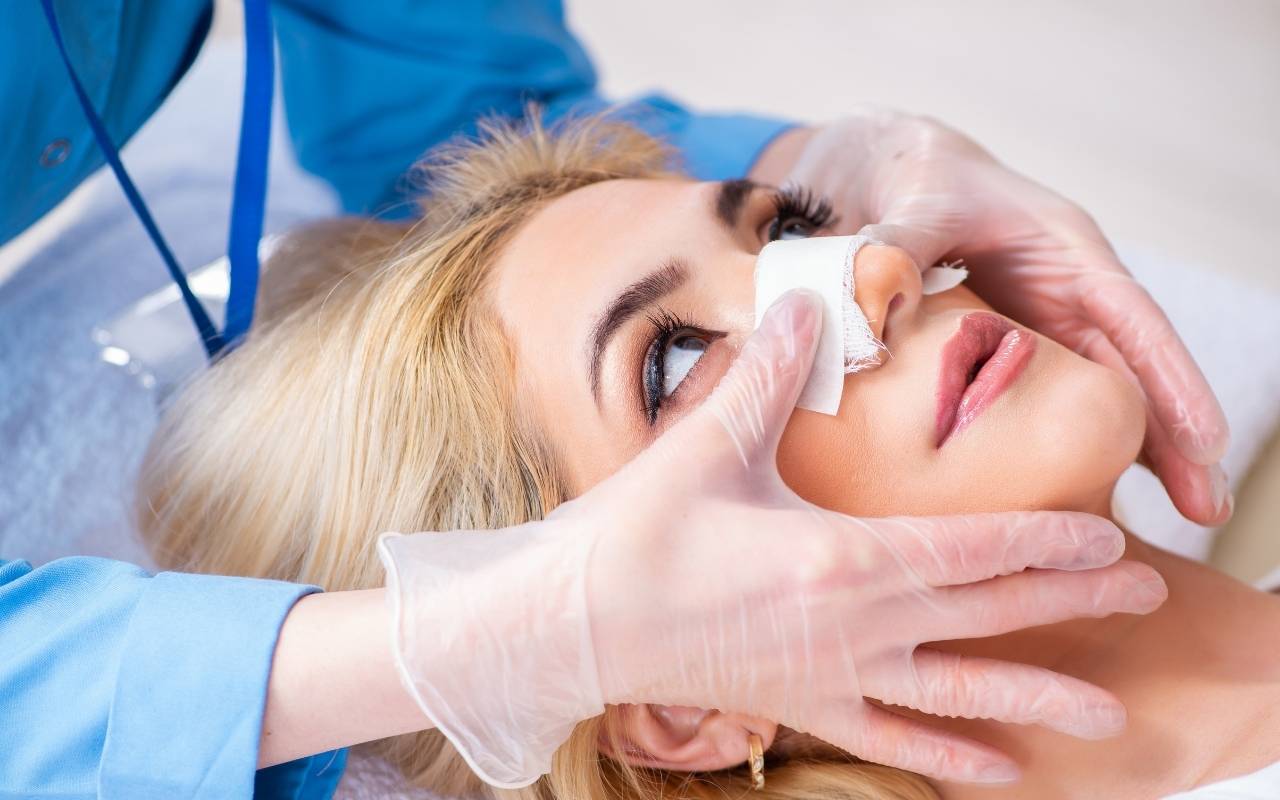
During the surgery, the surgeon works on the nasal bones, cartilage, and soft tissues to correct the shape of the nose. Deviations inside the nose or excess tissue are removed, and the tip of the nose is reshaped. After completing the procedure, small stitches are placed, and a protective splint is applied to the nose.
Post-Rhinoplasty Recovery Process
The recovery process varies from person to person, but it generally takes 7-10 days. Key points to consider after rhinoplasty include:
- Swelling and bruising: Swelling and bruising are normal in the first few days and usually subside within a week.
- Keep the head elevated: Keeping the head elevated helps reduce swelling. It is recommended that patients keep their heads upright for a few days following surgery.
- Use of splints and bandages: The splint and bandage placed on the nose help maintain the structure of the nose. This splint is usually removed after 7 days.
- Avoid strenuous physical activities: Heavy exercises and activities that might impact the nose should be avoided for the first few weeks.
- Regular check-ups: Regular doctor visits after the surgery are crucial to ensure that the healing process is progressing correctly.
Rhinoplasty Results
The results of rhinoplasty are generally positive. Patients cannot immediately see the final shape of the nose right after the surgery due to swelling. However, the new shape of the nose begins to appear after approximately 3-6 months, with full results visible within a year. The recovery process requires patience, but a successful rhinoplasty boosts the patient’s confidence and facilitates easier breathing.
Aesthetic and Functional Benefits
Rhinoplasty offers benefits both in appearance and health. For those experiencing breathing problems, rhinoplasty provides a solution that improves the quality of life. Simultaneously, nasal aesthetics help achieve a nose shape that is more compatible with the facial features, positively influencing the individual’s overall aesthetic perception.
Rhinoplasty Costs
The cost of rhinoplasty varies based on the scope of the surgery, the surgeon’s experience, the techniques used, and the location of the clinic. As cosmetic nasal surgery is typically performed in private clinics, prices differ. In Turkey, rhinoplasty prices as of 2024 range between 30,000 TL and 80,000 TL.
While functional procedures like nasal turbinate surgery may be covered by health insurance, cosmetic procedures are generally not. It is important for patients to conduct a thorough evaluation beforehand to find an option that suits their budget and needs.
Conclusion
Rhinoplasty is an important surgery not only for aesthetic enhancement but also for health. Procedures such as nasal turbinate surgery and cosmetic nasal surgery can address breathing problems and deliver aesthetically satisfying results. While the patient’s appearance improves following rhinoplasty, their confidence also increases. Additionally, a successful rhinoplasty surgery offers significant long-term gains both in terms of health and aesthetics. Careful planning of the pre- and post-operative process ensures the best outcomes.